



Rodents
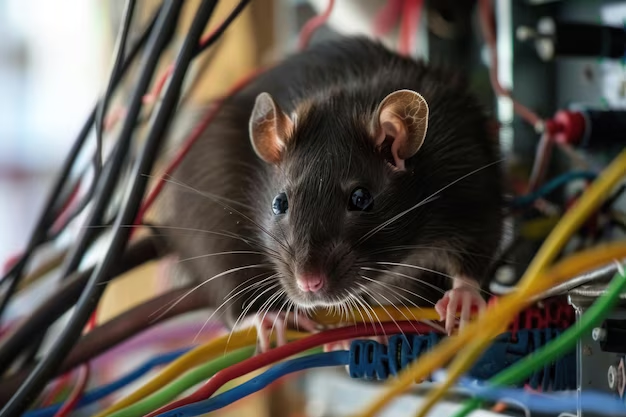
Rats can be very persistent and if they manage to gain access to your home or
business, they can contaminate food, spread harmful diseases and cause
considerable damage; such as chewing cabling that can cause fires and chewing
through walls.
Rats in the garden and other external areas can also be a high risk, particularly in
areas visited by children or pets.
Rats
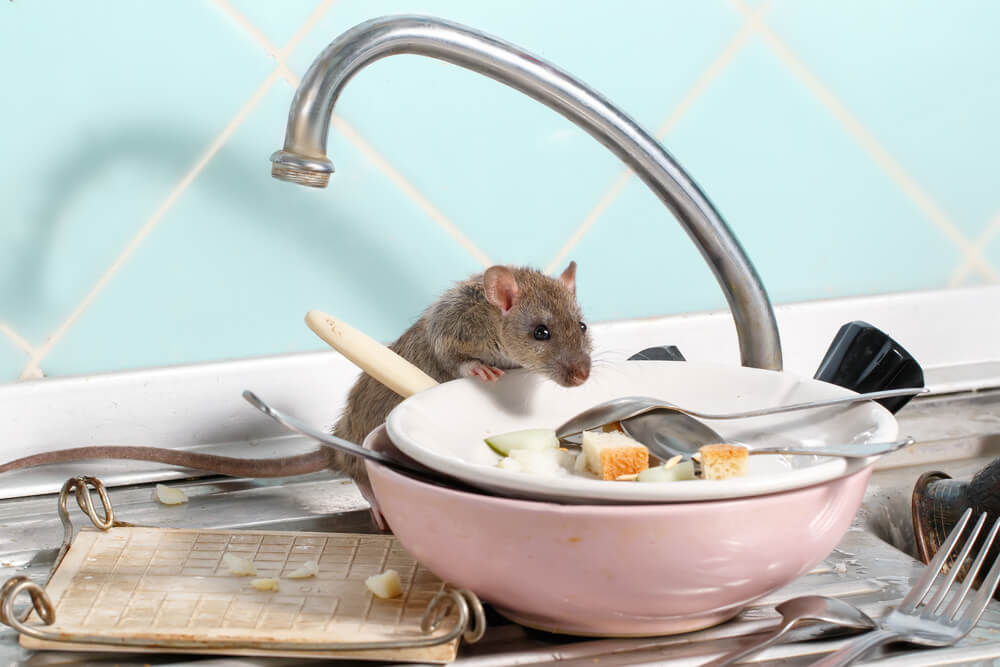
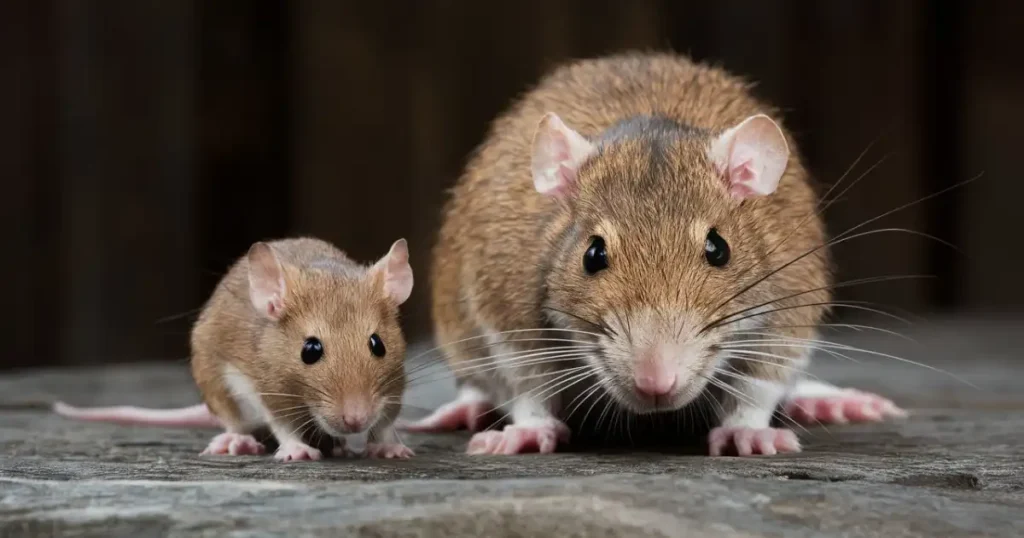
Generally more gregarious, living in stable colonies with established dominance hierarchies, primarily for food and reproduction. They are less aggressive than mice in stable social settings.
Use vocalizations, including ultrasonic sounds, to communicate.
Scent-marking with urine and flank marking is used to signal dominance and territory, especially in males.
More cautious and avoidant of new objects.
Mice
Often facultatively gregarious, living in family groups and being more territorial.
They may form hierarchies in crowded conditions, especially if resources are concentrated.
Use vocalizations, including ultrasonic sounds, to communicate.
Mice tend to be more curious and investigative.
Rodents – Common Social behavior & Biology
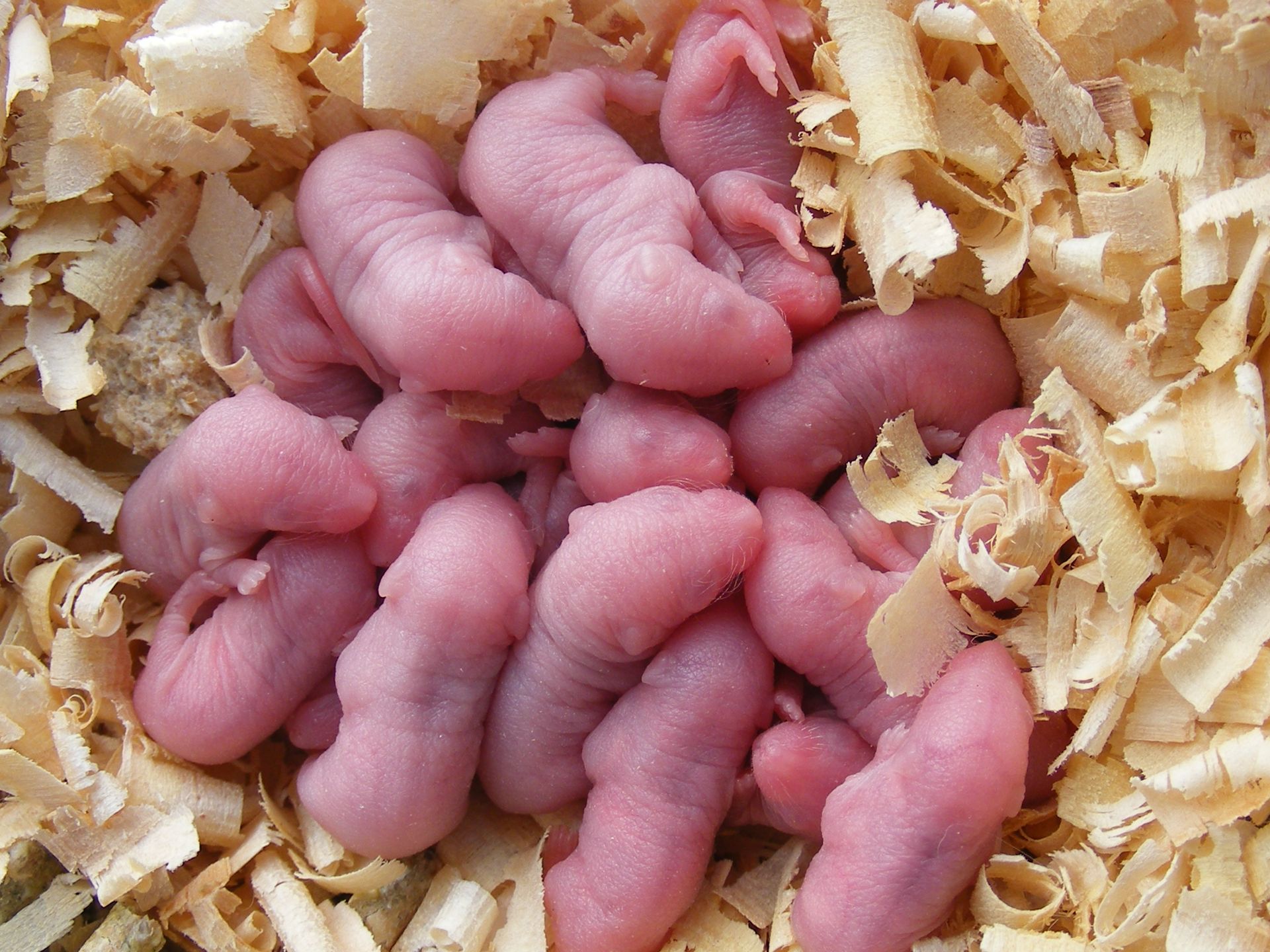
Early life: Both rats and mice are highly dependent on their mothers for care and
protection during their early lives.
Emotional contagion: Both show strong emotional contagion, a biological
mechanism that helps them to deal with threats by using others as “sentinels”.
Hormones: Hormones like oxytocin and vasopressin play a significant role in
social behaviour, facilitating processes like maternal behaviour, trust and pair-
bonding.
Rodent prevention, control & proofing
Signs of rodent infestation
By acting on the first sign of a suspected rat problem, the length of time it takes to
effectively control a rat infestation can be significantly reduced. Because rats
breed so quickly a small problem has the potential to escalate to a larger
infestation if left untreated. Rat droppings: rats leave around 40 droppings per night which are dark and
tapered and are about 10-14mm long.
If you think you might have a problem with rats, be sure to check for the
following:
Scratching noises: in ceilings, walls or under the floor as rats scurry around.
Factors contributing to rodent infestation
Unsecured garbage, pet food, compost piles, birdseed, and even outdoor water
sources can attract rats.
Wood staked on the ground near the house
Compost or garden waste stored close to the house.
Kitchen waste on compost heaps

Prevention
Secure garbage: Use heavy-duty trash bins with tight-fitting lids, and avoid leaving food waste outside overnight.
Pets food outdoors. Store away pet food in larger containers and remove uneaten food quickly if feeding pets outside. Feeding pigeons in can also attract rats. The food tastes of dogs, cats, and birds are similar to those of rats.
Keep yard tidy: Trim vegetation away from the home, remove debris or woodpiles, and harvest fallen fruit promptly. Remove high grass, weeds, woodpiles and construction debris that permit rats to live and hide adjacent to a building.
Rodent control and proofing services
Site inspection
We will conduct an assessment of your property and determine a suitable rodent control solution for your premises and costs. We provide written assessment reports.
DIY rodent control products
Our DIY products can help you manage rodent infestations if the rodent population is minimal.
Professional rodent control
Larger infestations will require an assessment by our professional pest control technicians .We will implement fast and efficient rodent control solutions using internationally approved materials and procedures with no disruption to your daily operations.
Our rodent control solutions involve applying chemical baits in and around the perimeter of your buildings, garages, storerooms and warehouses.
There was a significant improvement in chemical technology. Available and
internationally approved rodenticides can eliminate the rodent population without
causing any harm to your kids & pets, if applied properly.
Rodent baiting & monitoring
To act as a strong defence against rodents, we put in place a pest management solution to help control rats and prevent the infestation from reoccurring.
We will also use rodent bait stations on the outside perimeter of buildings to
prevent rats entering the buildings.
Frequent inspections & monitoring of bait stations
To give you peace of mind, we perform inspections before and after construction,
to get rid of rats before they cause serious implications. We also provide bi-annual rodent inspections to ensure that the best protection against rodents is in place, and to prevent costly damage to your property.
Based on the layout of your property and possibility of rodent infestation, Ultimate Pest Control Services will create a customized rodent prevention & control plan tailored for your situation.
Bait stations
Use traps: Place traps along walls where you see signs of rodent activity. Check them daily and use the correct traps for mice and rats.
Set traps strategically: Place traps 1–2 meters apart for mice and 7–10 meters apart for rats. Protect children and pets by using bait stations or placing traps in inaccessible areas.
Consider rodenticides with caution: Rodenticides are high-risk pesticides. Always follow the manufacturer’s instructions carefully to protect children, pets, and other animals from accidental poisoning.
Exclusion/ Proofing
Seal entry points: Seal cracks and holes in walls and foundations especially waste pipes from bathrooms and kitchen as well as electrical and internet cables. Mice can fit through a hole the size of a dime, and rats through a quarter-sized hole.
Use barrier materials: Use steel wool, caulk, or sheet metal to close gaps around pipes, vents, and electrical conduits.
Secure openings: Cover dryer, attic, and soffit vents with fine mesh metal screening